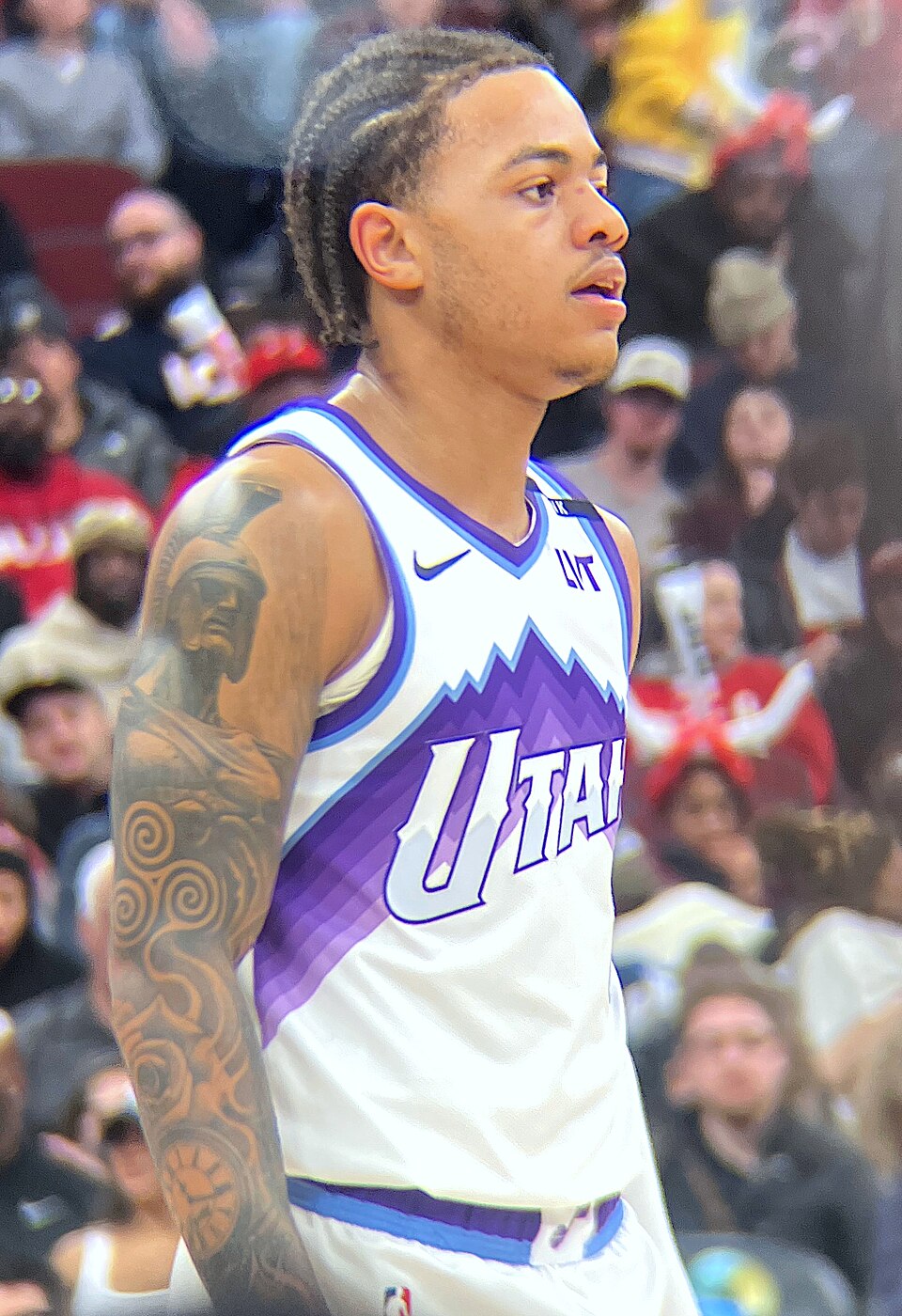
Understanding the Search for "Keyonte George Lesão"
In the fast-paced world of professional sports, few topics generate as much immediate concern and fervent discussion among fans, analysts, and fantasy sports enthusiasts as player injuries. When a key athlete like Keyonte George, a promising talent in the NBA, is mentioned in connection with a lesão (Portuguese for 'injury' or 'lesion'), the internet quickly becomes a hub of activity as people search for updates, diagnoses, and potential recovery timelines. The query "Keyonte George lesão" encapsulates this urgent need for information, reflecting a desire to understand the impact on his playing status, his team's performance, and even personal fantasy rosters.
However, it's crucial to clarify a point that often arises when searching for highly specific, real-time sports updates in a vast digital landscape. While the quest for information on Keyonte George lesão is entirely valid and understandable, it's important to recognize where such details are typically found. The provided foundational context for this article—which comprises technical documentation related to operating systems, their features, and general computer science—explicitly states that it contains no information regarding Keyonte George or any athletic injury. This highlights a common digital challenge: matching a highly specific, current-events-driven query with appropriate data sources.
Fans are naturally eager to know if their favorite player is sidelined, for how long, and what the path to recovery looks like. This article aims not to provide specific, real-time injury updates (as those should always come from official sports sources), but rather to navigate the landscape of information retrieval for such queries, explaining why certain sources may be irrelevant and guiding readers toward reliable avenues for sports injury news.
Navigating Athlete Injury Reports: What to Look For
When an athlete like Keyonte George suffers an injury, the subsequent reporting usually follows a predictable pattern, offering varying degrees of detail depending on the severity and official communication strategy. For those searching "Keyonte George lesão", understanding the types of information typically released and what to scrutinize is key to staying informed without falling victim to speculation.
Common Aspects of Injury Reporting:
- Nature of the Injury: Is it a sprain, strain, contusion, fracture, or something more complex like a ligament tear or concussion? The precise medical term, even if simplified for public consumption, provides critical insight.
- Severity: Often categorized as minor, moderate, or severe. This directly correlates with recovery time. A minor tweak might mean a few missed games, while a severe injury could sideline a player for weeks or months.
- Diagnosis and Prognosis: An official diagnosis, usually confirmed by medical imaging (X-rays, MRIs), is followed by a prognosis detailing the expected recovery period. This can range from "day-to-day" or "week-to-week" to a specific number of weeks or the remainder of a season.
- Treatment Plan: Sometimes, details about the treatment, such as rest, rehabilitation, or surgery, are released. This helps gauge the seriousness and the player's commitment to recovery.
- Return-to-Play Protocol: Especially for injuries like concussions, specific protocols must be followed before an athlete is cleared to return to competition, emphasizing player safety.
When you encounter news about Keyonte George lesão, prioritize reports that originate from or cite official team sources, league announcements, or highly reputable sports journalists known for their direct access to teams. Be wary of unverified social media posts or blogs that do not cite primary sources, as misinformation can spread rapidly, especially regarding high-profile athletes.
The impact of an athlete's injury extends beyond the individual player. It affects team strategies, coaching decisions, and the overall dynamics of games. For fans, it can mean adjusting expectations, understanding potential shifts in team performance, and making informed decisions in fantasy sports leagues. Therefore, accurate and timely information on any Keyonte George lesão would be invaluable for a broad audience invested in the sport.
The Discrepancy Between Search Intent and Data Source: A Digital Challenge
The internet, in its vastness, can sometimes present a paradox: an abundance of information, yet a scarcity of the *right* information for a specific query if that query doesn't align with the indexed content. This scenario is perfectly illustrated when one searches for "Keyonte George lesão" and the available data pertains to subjects like operating systems or computer features. The fundamental mismatch here is between the user's intent (seeking real-time sports injury news) and the nature of the information being accessed (technical documentation).
Search engines strive to connect users with the most relevant content, but their effectiveness is dependent on the data they have indexed. If a search engine is presented with a specific dataset about "Comparison of user features of operating systems" or "Operating system fundamentals," it logically cannot extract details about a professional basketball player's injury. The keywords simply do not exist within that context. This is precisely the finding from the foundational references provided for this article, which explicitly state the absence of "Keyonte George lesão" content within those technical domains.
This situation highlights a broader lesson in digital literacy: understanding the *scope* of your information source. Just as you wouldn't expect to find a recipe in a medical journal or a philosophical treatise in a sports almanac, detailed athletic injury reports are not typically found in technical articles about computing. This understanding is crucial for efficient and effective online research.
This very scenario underscores the point made in Searching Keyonte George Injury: Irrelevant to OS Information, emphasizing the clear distinction between domains of knowledge. Furthermore, it's a theme explored in Keyonte George Lesão Status: Not Covered by Computer Articles, which reiterates the need for domain-specific searches.
Finding Accurate Information on Athlete Injuries
Given the importance of reliable information regarding any Keyonte George lesão, it's essential to know where to turn. Relying on primary sources and established sports media outlets ensures that the information you receive is as accurate and timely as possible.
Reliable Sources for Sports Injury Updates:
- Official Team Websites and Social Media: The most authoritative source will always be the player's team itself. Look for press releases, official statements, or updates posted on their verified social media accounts.
- League Official Sites: For NBA players, NBA.com is an excellent resource, often providing consolidated injury reports directly from teams.
- Major Sports News Networks: Reputable outlets like ESPN, The Athletic, CBS Sports, Bleacher Report, and local sports sections of major newspapers often have dedicated beat reporters who cover teams closely and receive official injury updates. These journalists typically have direct access to team personnel or are privy to official announcements.
- Verified Sports Journalists on Social Media: Many top-tier sports journalists break news on platforms like X (formerly Twitter). Ensure the account is verified and has a track record of reliable reporting.
- Fantasy Sports Websites (with caution): Sites like Rotoworld (NBC Sports Edge), Yahoo Sports, or ESPN Fantasy often aggregate injury news. While useful, it's always best to cross-reference with their cited primary sources if you need critical, in-depth information.
Practical Tip: When seeking information on Keyonte George lesão or any other athlete's injury, prioritize sources that provide specific details about the injury, expected recovery time, and cite an official team or league statement. Be skeptical of vague reports or those that rely on unnamed sources without further corroboration.
It's also worth remembering that injury updates can be fluid. A "day-to-day" injury might evolve into something more serious, or a player might recover faster than expected. Staying current often means checking reputable sources regularly for the latest bulletins.
Conclusion
The search for "Keyonte George lesão" is a prime example of fan engagement and the critical need for timely, accurate information in the sports world. While the initial context provided for this article underscores that such specific, real-time sports injury details are not found in general technical documentation about operating systems or computers, it serves as an important reminder. Locating reliable information depends entirely on consulting appropriate, domain-specific sources.
For any updates concerning Keyonte George's injury status, fans and interested parties should always refer to official team statements, league announcements, and established sports news organizations. These sources are equipped to provide the precise details—from diagnosis to recovery timelines—that fans eagerly seek. In the digital age, understanding where to look is just as important as knowing what to look for, ensuring that your pursuit of information on Keyonte George lesão leads you to credible and valuable insights.